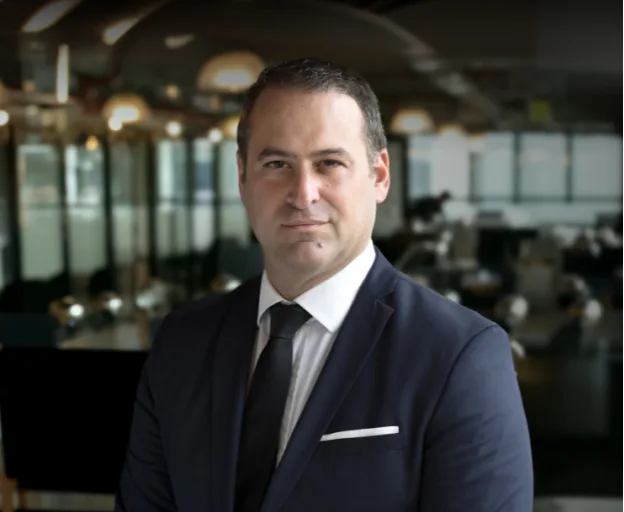
חבר לשכת עורכי הדין משנת 1997, התמחה אצל עו”ד דן אבי יצחק. עורך דין פלילי ניר רוטנברג עוסק במשפט פלילי למעלה מ20 שנה הינו מוותיקי עורכי הדין הפליליים בארץ וטיפל בתיקים פליליים מורכבים מאוד, בארץ ובחו”ל.
המשפט בישראל מכיר בזכותו של כל אדם להגנה על שמו הטוב ולעיתים זכות זו מתנגשת עם עקרון חופש הביטוי כשחוק איסור לשון הרע מנסה לאזן בין שתי זכויות יסוד אלו. בתי המשפט קבעו כי יש לאזן בין הזכות לחופש הביטוי לבין הזכות לשמור על שם טוב, כך שלא יתכן שבשם העקרון הנותן חירות לביטוי יפגעו בשמו הטוב של אדם כשהאיזון יערך תחת המבחן האם הביטוי שבמחלוקת נעשה בתכלית ראויה ובמידתיות.

לצורך הקביעה האם פרסום מהווה לשון הרע יש לפרש את הביטוי בהתאם למשמעותו כפי שהן מקובלות על האדם הסביר. כלומר, הפרשנות תיעשה בהתאם למובן הפשוט של הביטוי וגם “בין השורות”.
הפסיקה קבעה כי אין זה משנה מה הייתה כוונת המפרסם ואין חשיבות כיצד הבינו את הדברים מי שבפועל קרא את הדברים אלא מה המשמעות שקורא מן היישוב היה נותן לביטוי ולמילים שפורסמו לצורך קביעה האם מדובר בלשון הרע או לאו, כשהבדיקה היא לא סובייקטיבית אלא אובייקטיבית ומתייחסת לדרך שבה הציבור עלול לקבל את הדברים שבפרסום.
לצורך קביעה האם ביטוי מהווה לשון הרע, נקבעו בפסיקה 4 שלבים.
1.פירוש הביטוי בהקשר אובייקטיבי המתייחס לדרך שבה יתקבלו הדברים שפורסמו בציבור.
2. האם הדברים מהווים “לשון הרע” בהתאם לחוק איסור לשון הרע והאם דרך אמירתם הם “פרסום” כפי שמשתמע מתוך המבחנים שנקבעו בסעיף 2 לחוק איסור לשון הרע.
3. עריכת בדיקה של ההגנות השונות על פרסום כפי שהם מופיעות בסעיפים 13-15 לחוק איסור לשון הרע ומתוכן לבחון איזו הגנה יכולה לעמוד למפרסם של הביטוי שמהווה לשון הרע.
4. השלב הרביעי נעשה רק לאחר שמולאו שלושת המבחנים הראשונים והוא בדיקת הפיצוי הראוי למי שנפגע כתוצאה מפרסום לשון הרע.
כל המבחנים משלבים בתוכם איזון בין העקרון החוקתי לחופש הביטוי לזכותו של אדם לשם טוב ולשמירה על כבודו.
תביעת לשון הרע תתנהל כך שיבחן האם הביטוי והאמרה שנאמרה היא “לשון הרע” והאם האמרה עונה על דרישת הפרסום בחוק איסור לשון הרע. אם התשובה לאלו חיובית תיערך בדיקה האם הפרסום נהנה מחסינות בחוק או האם הוא מוגן בהתאם ל”אמת בפרסום” או “עניין ציבורי”, אם האמרה אינה נהנית מהגנות אלו יש לבדוק האם הפרסום נעשה תום לב ובשילוב עם חזקת תום הלב, ואם כל אלו נענים בשלילה תיעשה בדיקה של גובה הפיצויים להם זכאי התובע שנפגע מלשון הרע.
אם נפגעתם מפרסום לשון הרע פנו למשרד עורכי הדין הפליליים רוטנברג עוד היום כדי שנתשמש בנסיון שלנו בתחום “לשון הרע” כדי ששמכם יטוהר ותפוצו על הנזקים שנגרמו לכם.
חבר לשכת עורכי הדין משנת 1997, התמחה אצל עו”ד דן אבי יצחק. עורך דין פלילי ניר רוטנברג עוסק במשפט פלילי למעלה מ20 שנה הינו מוותיקי עורכי הדין הפליליים בארץ וטיפל בתיקים פליליים מורכבים מאוד, בארץ ובחו”ל.
We firmly believe that the internet should be available and accessible to anyone, and are committed to providing a website that is accessible to the widest possible audience, regardless of circumstance and ability.
To fulfill this, we aim to adhere as strictly as possible to the World Wide Web Consortium’s (W3C) Web Content Accessibility Guidelines 2.1 (WCAG 2.1) at the AA level. These guidelines explain how to make web content accessible to people with a wide array of disabilities. Complying with those guidelines helps us ensure that the website is accessible to all people: blind people, people with motor impairments, visual impairment, cognitive disabilities, and more.
This website utilizes various technologies that are meant to make it as accessible as possible at all times. We utilize an accessibility interface that allows persons with specific disabilities to adjust the website’s UI (user interface) and design it to their personal needs.
Additionally, the website utilizes an AI-based application that runs in the background and optimizes its accessibility level constantly. This application remediates the website’s HTML, adapts Its functionality and behavior for screen-readers used by the blind users, and for keyboard functions used by individuals with motor impairments.
If you’ve found a malfunction or have ideas for improvement, we’ll be happy to hear from you. You can reach out to the website’s operators by using the following email
Our website implements the ARIA attributes (Accessible Rich Internet Applications) technique, alongside various different behavioral changes, to ensure blind users visiting with screen-readers are able to read, comprehend, and enjoy the website’s functions. As soon as a user with a screen-reader enters your site, they immediately receive a prompt to enter the Screen-Reader Profile so they can browse and operate your site effectively. Here’s how our website covers some of the most important screen-reader requirements, alongside console screenshots of code examples:
Screen-reader optimization: we run a background process that learns the website’s components from top to bottom, to ensure ongoing compliance even when updating the website. In this process, we provide screen-readers with meaningful data using the ARIA set of attributes. For example, we provide accurate form labels; descriptions for actionable icons (social media icons, search icons, cart icons, etc.); validation guidance for form inputs; element roles such as buttons, menus, modal dialogues (popups), and others. Additionally, the background process scans all of the website’s images and provides an accurate and meaningful image-object-recognition-based description as an ALT (alternate text) tag for images that are not described. It will also extract texts that are embedded within the image, using an OCR (optical character recognition) technology. To turn on screen-reader adjustments at any time, users need only to press the Alt+1 keyboard combination. Screen-reader users also get automatic announcements to turn the Screen-reader mode on as soon as they enter the website.
These adjustments are compatible with all popular screen readers, including JAWS and NVDA.
Keyboard navigation optimization: The background process also adjusts the website’s HTML, and adds various behaviors using JavaScript code to make the website operable by the keyboard. This includes the ability to navigate the website using the Tab and Shift+Tab keys, operate dropdowns with the arrow keys, close them with Esc, trigger buttons and links using the Enter key, navigate between radio and checkbox elements using the arrow keys, and fill them in with the Spacebar or Enter key.Additionally, keyboard users will find quick-navigation and content-skip menus, available at any time by clicking Alt+1, or as the first elements of the site while navigating with the keyboard. The background process also handles triggered popups by moving the keyboard focus towards them as soon as they appear, and not allow the focus drift outside of it.
Users can also use shortcuts such as “M” (menus), “H” (headings), “F” (forms), “B” (buttons), and “G” (graphics) to jump to specific elements.
We aim to support the widest array of browsers and assistive technologies as possible, so our users can choose the best fitting tools for them, with as few limitations as possible. Therefore, we have worked very hard to be able to support all major systems that comprise over 95% of the user market share including Google Chrome, Mozilla Firefox, Apple Safari, Opera and Microsoft Edge, JAWS and NVDA (screen readers), both for Windows and for MAC users.
Despite our very best efforts to allow anybody to adjust the website to their needs, there may still be pages or sections that are not fully accessible, are in the process of becoming accessible, or are lacking an adequate technological solution to make them accessible. Still, we are continually improving our accessibility, adding, updating and improving its options and features, and developing and adopting new technologies. All this is meant to reach the optimal level of accessibility, following technological advancements. For any assistance, please reach out to