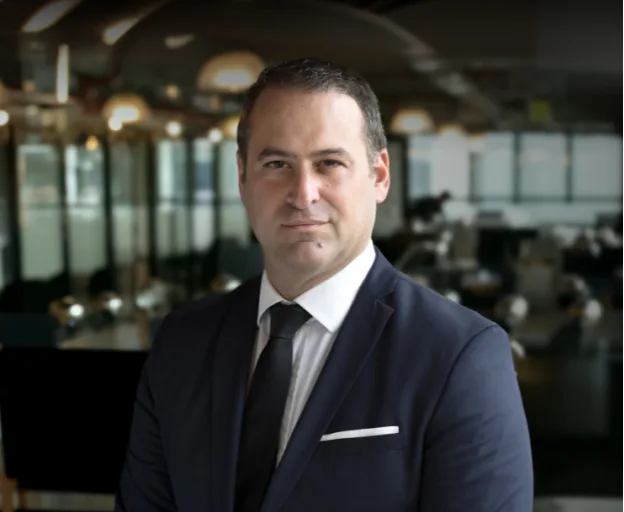
חבר לשכת עורכי הדין משנת 1997, התמחה אצל עו”ד דן אבי יצחק. עורך דין פלילי ניר רוטנברג עוסק במשפט פלילי למעלה מ20 שנה הינו מוותיקי עורכי הדין הפליליים בארץ וטיפל בתיקים פליליים מורכבים מאוד, בארץ ובחו”ל.
חקירה במשטרה היא אירוע טראומתי ומלחיץ לכל אדם ובמיוחד למי שאינו חשוף לעולם הפלילים ואינו בעל עבר עברייני וניסיון בעולם החקירות ולכן גם לאחר שחשוד הודה בחקירה פלילית במשטרה בביצוע עבירה פלילית ובחשדות שהוטחו בו הרי שקיים מנגנון חוקי שמאפשר לחשוד בפלילים לחזור בו מהודאתו במשטרה או מהודאה שנעשתה בבית המשפט.
סעיף 153(א) לחוק סדר הדין הפלילי מאפשר לחשוד בפלילים ולנאשם לאחר שהודה בעובדות כתב האישום לחזור בו מהודאתו אם ניתנה לכך הרשאה מבית המשפט בנימוקים מיוחדים שיירשמו.
בית המשפט יאפשר לנאשם לחזור בו מהודאה רק בנסיבות נדירות וחריגות וכך ינתן היתר במקרה שבו הודאה לא נתנה באופן חופשי ומרצון וכשנאשם לא הבין את משמעות הודאתו וכאשר הודאה הושגה שלא כדין.
בפסיקת בית המשפט העליון נקבעו שלוש עילות מרכזיות כדי לאפשר חזרה מהודאה:
העילה המרכזית לחזרה מהודאה היא פגם ברצון החופשי של נאשם במתן הודאה ופגם זה נוצר כתוצאה מהפעלת לחץ פיזי או נפשי שנגרם לנאשם אולם פגם ברצון חופשי במשפט פלילי יכול להיווצר כתוצאה מהסתרת מידע חשוב ורלוונטי למשפט מהנאשם או מהסברים מוטעים ומטעים בנוגע להודיה ולתוצאותיה.
כשל בייצוג משפטי נוצר כתוצאה ממחדל שיצר עורך דין פלילי שייצג את הנאשם וכך לדוגמא התעלמות מראיות מרכזיות בתיק או פעולה שנעשית תוך ניגוד עניינים או שיקולים מוטעים וזרים או כל טעות ומחדל שהופכים את הייצוג המשפטי של עורך הדין הפלילי בבית המשפט לבלתי מקצועי ובלתי ראוי מעיקרו יכולים לייצר עילה של חזרה מהודיה עקב כשל בייצוג.
ניתן לאפשר חזרה מהודאה במקרים ובהם הנאשם בפלילים סבור כי היתה טעות בשיקול דעתו ולמרות שהודאתו ניתנה מרצונו החופשי ובהסכמתו מבלי שנפל בעצם ההודאה פגם כלשהו. היתר לחזרה מהודיה במקרה שכזה ינתן תוך בדיקה בנוגע למניעי הנאשם תוך בדיקה שהוא אכן מבקש להוכיח את חפותו ואינו עושה זאת בשל תכסיס משפטי פסול.
יש חשיבות רבה לעיתוי העלאת הבקשה לחזרה מהודיה וזאת מהווה שיקול חשוב ומשמעותי ביותר בבדיקת בקשת הנאשם לחזור בו מההודאה שניתנה כשגישה זו נועדה למנוע מצב לא רצוי שבו נאשמים יודו בעבירות שלא ביצעו מתוך רצון להמנע מקבלת ענישה מחמירה אולם המבחן העיקרי לצורך הכרעה בבקשה הוא מבחן ה”מניע” של הנאשם והאם הבקשה לחזור מהודאה נובעת מטעם ענייני וכנה להוכיח את חפותו או כדי למשוך את הזמן וכדי לסרבל את ההליכים.
אנו במשרד עורך דין רוטנברג מלווים חשודים ונאשמים במשך שנים רבות ומסייעים גם למי שהודו בעבירות פליליות שלא מרצונם החופשי ובשל לחץ נפשי כבד שהוטל עליהם.
אם הנכם זקוקים לייעוץ משפטי פנו אלינו
חבר לשכת עורכי הדין משנת 1997, התמחה אצל עו”ד דן אבי יצחק. עורך דין פלילי ניר רוטנברג עוסק במשפט פלילי למעלה מ20 שנה הינו מוותיקי עורכי הדין הפליליים בארץ וטיפל בתיקים פליליים מורכבים מאוד, בארץ ובחו”ל.
We firmly believe that the internet should be available and accessible to anyone, and are committed to providing a website that is accessible to the widest possible audience, regardless of circumstance and ability.
To fulfill this, we aim to adhere as strictly as possible to the World Wide Web Consortium’s (W3C) Web Content Accessibility Guidelines 2.1 (WCAG 2.1) at the AA level. These guidelines explain how to make web content accessible to people with a wide array of disabilities. Complying with those guidelines helps us ensure that the website is accessible to all people: blind people, people with motor impairments, visual impairment, cognitive disabilities, and more.
This website utilizes various technologies that are meant to make it as accessible as possible at all times. We utilize an accessibility interface that allows persons with specific disabilities to adjust the website’s UI (user interface) and design it to their personal needs.
Additionally, the website utilizes an AI-based application that runs in the background and optimizes its accessibility level constantly. This application remediates the website’s HTML, adapts Its functionality and behavior for screen-readers used by the blind users, and for keyboard functions used by individuals with motor impairments.
If you’ve found a malfunction or have ideas for improvement, we’ll be happy to hear from you. You can reach out to the website’s operators by using the following email
Our website implements the ARIA attributes (Accessible Rich Internet Applications) technique, alongside various different behavioral changes, to ensure blind users visiting with screen-readers are able to read, comprehend, and enjoy the website’s functions. As soon as a user with a screen-reader enters your site, they immediately receive a prompt to enter the Screen-Reader Profile so they can browse and operate your site effectively. Here’s how our website covers some of the most important screen-reader requirements, alongside console screenshots of code examples:
Screen-reader optimization: we run a background process that learns the website’s components from top to bottom, to ensure ongoing compliance even when updating the website. In this process, we provide screen-readers with meaningful data using the ARIA set of attributes. For example, we provide accurate form labels; descriptions for actionable icons (social media icons, search icons, cart icons, etc.); validation guidance for form inputs; element roles such as buttons, menus, modal dialogues (popups), and others. Additionally, the background process scans all of the website’s images and provides an accurate and meaningful image-object-recognition-based description as an ALT (alternate text) tag for images that are not described. It will also extract texts that are embedded within the image, using an OCR (optical character recognition) technology. To turn on screen-reader adjustments at any time, users need only to press the Alt+1 keyboard combination. Screen-reader users also get automatic announcements to turn the Screen-reader mode on as soon as they enter the website.
These adjustments are compatible with all popular screen readers, including JAWS and NVDA.
Keyboard navigation optimization: The background process also adjusts the website’s HTML, and adds various behaviors using JavaScript code to make the website operable by the keyboard. This includes the ability to navigate the website using the Tab and Shift+Tab keys, operate dropdowns with the arrow keys, close them with Esc, trigger buttons and links using the Enter key, navigate between radio and checkbox elements using the arrow keys, and fill them in with the Spacebar or Enter key.Additionally, keyboard users will find quick-navigation and content-skip menus, available at any time by clicking Alt+1, or as the first elements of the site while navigating with the keyboard. The background process also handles triggered popups by moving the keyboard focus towards them as soon as they appear, and not allow the focus drift outside of it.
Users can also use shortcuts such as “M” (menus), “H” (headings), “F” (forms), “B” (buttons), and “G” (graphics) to jump to specific elements.
We aim to support the widest array of browsers and assistive technologies as possible, so our users can choose the best fitting tools for them, with as few limitations as possible. Therefore, we have worked very hard to be able to support all major systems that comprise over 95% of the user market share including Google Chrome, Mozilla Firefox, Apple Safari, Opera and Microsoft Edge, JAWS and NVDA (screen readers), both for Windows and for MAC users.
Despite our very best efforts to allow anybody to adjust the website to their needs, there may still be pages or sections that are not fully accessible, are in the process of becoming accessible, or are lacking an adequate technological solution to make them accessible. Still, we are continually improving our accessibility, adding, updating and improving its options and features, and developing and adopting new technologies. All this is meant to reach the optimal level of accessibility, following technological advancements. For any assistance, please reach out to