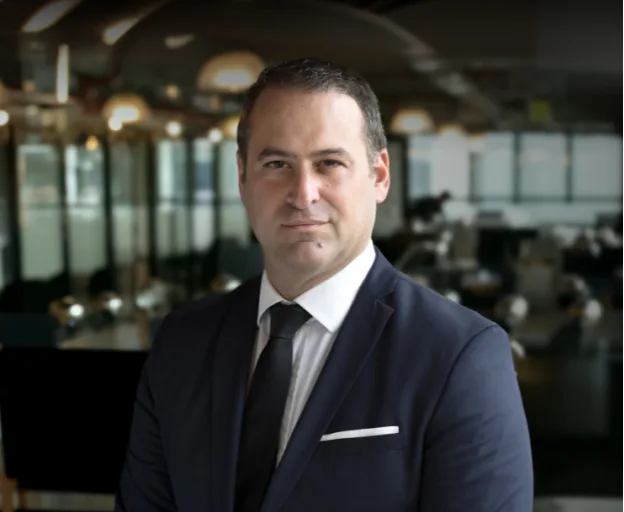
חבר לשכת עורכי הדין משנת 1997, התמחה אצל עו”ד דן אבי יצחק. עורך דין פלילי ניר רוטנברג עוסק במשפט פלילי למעלה מ20 שנה הינו מוותיקי עורכי הדין הפליליים בארץ וטיפל בתיקים פליליים מורכבים מאוד, בארץ ובחו”ל.
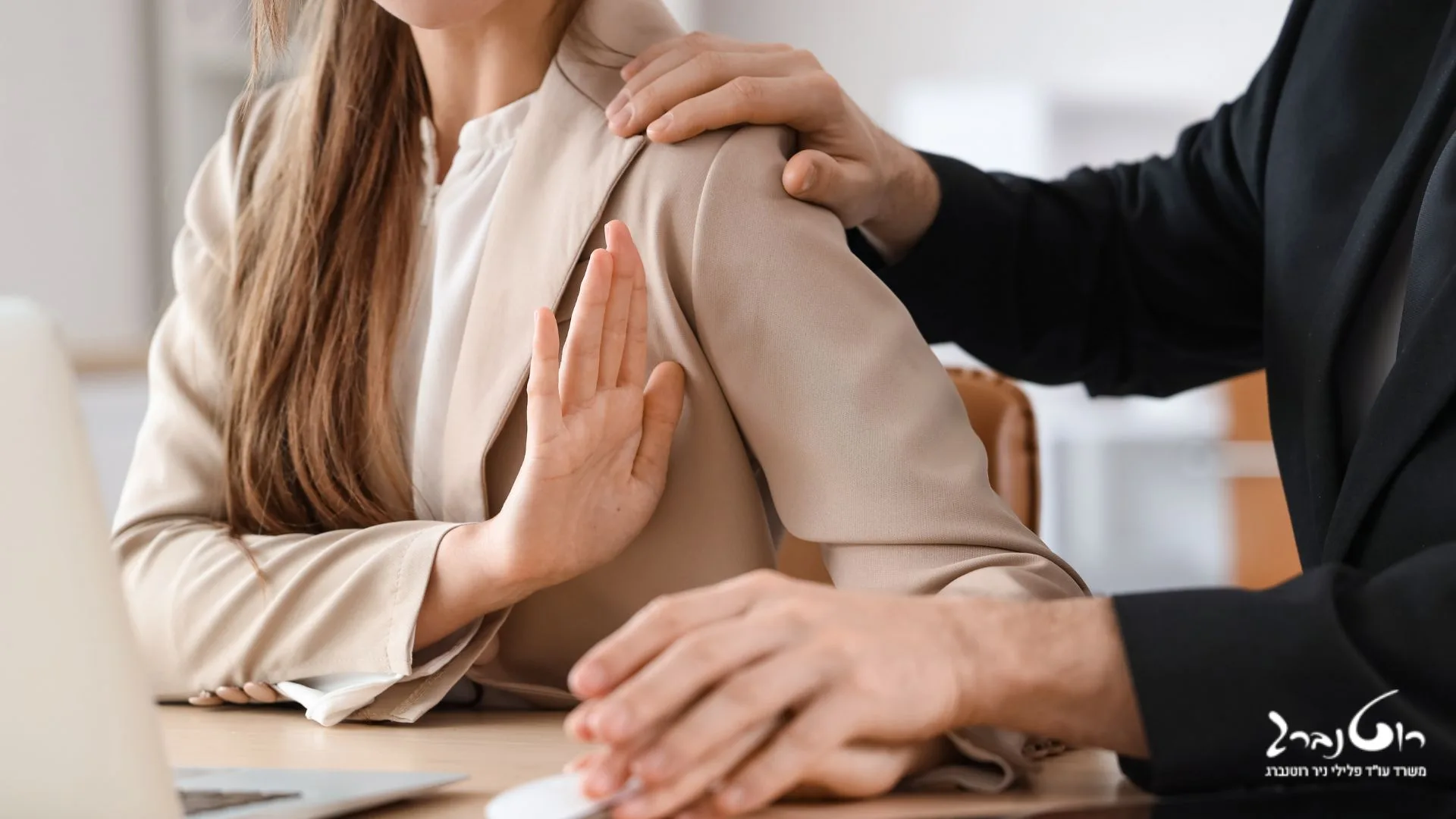
“יחסי השפעה” היא תאוריה משפטית חדשה שפותחה בפסיקה הישראלית, המכירה באפשרות ביניים בין יחסי מרות מלאים לבין היעדר מרות בהקשר של הטרדה מינית במקום העבודה בהתאם לשיטה זו קיימת השפעה על נטל ההוכחה הנדרש מהמוטרד/ת להראות התנגדות להטרדה.
יחסי השפעה במקום העבודה מצויים בתווך שבין יחסי מרות (ממונה לכפיף) לבין היעדר מרות (חברים לעבודה במעמד זהה). כוח השפעה זה יכול להיווצר במצבים שונים, שאינם כרוכים בכפיפות המיוחדת לבעל מרות. יחסי השפעה יכולים להתבטא בעיקר בשתי בחינות מקצועית ומעמדית.
במקרה שהעובד המנוסה הטריד מינית את העובד המנוסה פחות, פערי הכוח ביניהם עשויים להשפיע על עתיד המשך עבודת המוטרד ככל שלא ישתף פעולה. למשל, יתכן שהתנגדות המוטרד תוביל לכך שהמטריד יקשה עליו במישור המקצועי בכך שימנע מלסייע לו, או ינצל את חולשתו המקצועית להקטינו מול המעסיק ולייצר חוות דעת שלילית עליו בסביבת העבודה.
נקבע כי ככל שיחסי ההשפעה משמעותיים יותר – כגון משום, בכירות מעמד ותפקיד – כך הנטל על המתלוננת להוכיח שהיא התנגדה להתייחסות או להצעה, יהא מרוכך יותר. בקצה השני של המבחן יחסי ההשפעה, כאשר מאזן הכוחות בין הצדדים הוא אופקי, הנטל הוא על המתלוננת לבדה להוכיח שהיא התנגדה להצעות או להתייחסויות.
הפסיקה קבעה שני מישורים עיקריים לבחינת יחסי השפעה בנוגע להטרדה מינית במקום העבודה,המישור המקצועי והמישור המעמדי. בכל מישור נבחנים מספר גורמים המעידים על קיומם של פערי כוחות והשפעה, גם בהיעדר יחסי מרות פורמליים.
מבחינה מקצועית, יחסי השפעה מתבטאים בניסיון של עובד בתחום הרלוונטי ובמידת החשיבות המקצועית שלו במקום העבודה. השפעתו זו באה לידי ביטוי כשנתוניו המקצועיים האישיים של המטריד מקנים לו ביטחון במקום העבודה ומשפיעים ישירות על המוניטין והשם שלו אולם יחסי השפעה יכולים אף להתבטא מבחינה מעמדית במקומו האישי של העובד במקום העבודה וכן להיגזר מהוותק של העובד במקום העבודה, מטיב קשריו עם עובדים אחרים, שמו והמוניטין שלו כשוותק עשוי להקנות כוח לעובד במקום העבודה בין במשקל שניתן לדבריו למשל לבכירים ולמנהלים, ובין בכוחו החברתי וההשפעה שיש להתנהגותו על עובדים אחרים.
הגורמים לקביעת יחסי השפעה נבחנים באופן מקיף ורב-ממדי, תוך התחשבות הן במישור המקצועי והן במישור המעמדי. ככל שפערי הכוחות וההשפעה משמעותיים יותר, כך יוקל נטל ההוכחה על המוטרד/ת. הבחינה היא מהותית ולא פורמלית, ומתחשבת במכלול הנסיבות והיחסים במקום העבודה.
לייעוץ עם עו״ד פלילי רוטנברג השאירו פרטים ונחזור אליכם בהקדם!
חבר לשכת עורכי הדין משנת 1997, התמחה אצל עו”ד דן אבי יצחק. עורך דין פלילי ניר רוטנברג עוסק במשפט פלילי למעלה מ20 שנה הינו מוותיקי עורכי הדין הפליליים בארץ וטיפל בתיקים פליליים מורכבים מאוד, בארץ ובחו”ל.
We firmly believe that the internet should be available and accessible to anyone, and are committed to providing a website that is accessible to the widest possible audience, regardless of circumstance and ability.
To fulfill this, we aim to adhere as strictly as possible to the World Wide Web Consortium’s (W3C) Web Content Accessibility Guidelines 2.1 (WCAG 2.1) at the AA level. These guidelines explain how to make web content accessible to people with a wide array of disabilities. Complying with those guidelines helps us ensure that the website is accessible to all people: blind people, people with motor impairments, visual impairment, cognitive disabilities, and more.
This website utilizes various technologies that are meant to make it as accessible as possible at all times. We utilize an accessibility interface that allows persons with specific disabilities to adjust the website’s UI (user interface) and design it to their personal needs.
Additionally, the website utilizes an AI-based application that runs in the background and optimizes its accessibility level constantly. This application remediates the website’s HTML, adapts Its functionality and behavior for screen-readers used by the blind users, and for keyboard functions used by individuals with motor impairments.
If you’ve found a malfunction or have ideas for improvement, we’ll be happy to hear from you. You can reach out to the website’s operators by using the following email
Our website implements the ARIA attributes (Accessible Rich Internet Applications) technique, alongside various different behavioral changes, to ensure blind users visiting with screen-readers are able to read, comprehend, and enjoy the website’s functions. As soon as a user with a screen-reader enters your site, they immediately receive a prompt to enter the Screen-Reader Profile so they can browse and operate your site effectively. Here’s how our website covers some of the most important screen-reader requirements, alongside console screenshots of code examples:
Screen-reader optimization: we run a background process that learns the website’s components from top to bottom, to ensure ongoing compliance even when updating the website. In this process, we provide screen-readers with meaningful data using the ARIA set of attributes. For example, we provide accurate form labels; descriptions for actionable icons (social media icons, search icons, cart icons, etc.); validation guidance for form inputs; element roles such as buttons, menus, modal dialogues (popups), and others. Additionally, the background process scans all of the website’s images and provides an accurate and meaningful image-object-recognition-based description as an ALT (alternate text) tag for images that are not described. It will also extract texts that are embedded within the image, using an OCR (optical character recognition) technology. To turn on screen-reader adjustments at any time, users need only to press the Alt+1 keyboard combination. Screen-reader users also get automatic announcements to turn the Screen-reader mode on as soon as they enter the website.
These adjustments are compatible with all popular screen readers, including JAWS and NVDA.
Keyboard navigation optimization: The background process also adjusts the website’s HTML, and adds various behaviors using JavaScript code to make the website operable by the keyboard. This includes the ability to navigate the website using the Tab and Shift+Tab keys, operate dropdowns with the arrow keys, close them with Esc, trigger buttons and links using the Enter key, navigate between radio and checkbox elements using the arrow keys, and fill them in with the Spacebar or Enter key.Additionally, keyboard users will find quick-navigation and content-skip menus, available at any time by clicking Alt+1, or as the first elements of the site while navigating with the keyboard. The background process also handles triggered popups by moving the keyboard focus towards them as soon as they appear, and not allow the focus drift outside of it.
Users can also use shortcuts such as “M” (menus), “H” (headings), “F” (forms), “B” (buttons), and “G” (graphics) to jump to specific elements.
We aim to support the widest array of browsers and assistive technologies as possible, so our users can choose the best fitting tools for them, with as few limitations as possible. Therefore, we have worked very hard to be able to support all major systems that comprise over 95% of the user market share including Google Chrome, Mozilla Firefox, Apple Safari, Opera and Microsoft Edge, JAWS and NVDA (screen readers), both for Windows and for MAC users.
Despite our very best efforts to allow anybody to adjust the website to their needs, there may still be pages or sections that are not fully accessible, are in the process of becoming accessible, or are lacking an adequate technological solution to make them accessible. Still, we are continually improving our accessibility, adding, updating and improving its options and features, and developing and adopting new technologies. All this is meant to reach the optimal level of accessibility, following technological advancements. For any assistance, please reach out to