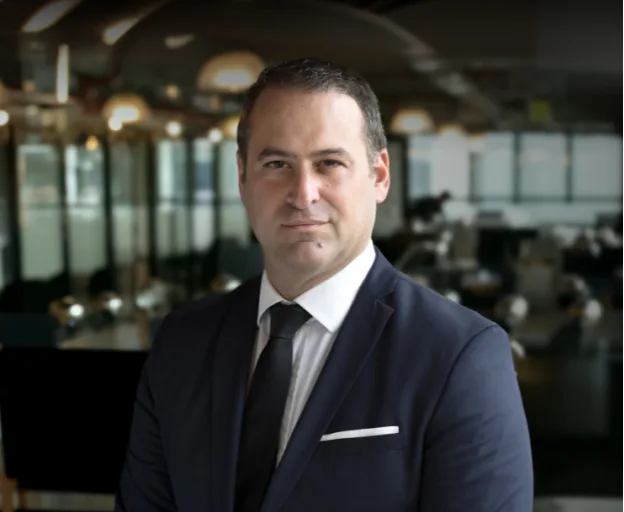
חבר לשכת עורכי הדין משנת 1997, התמחה אצל עו”ד דן אבי יצחק. עורך דין פלילי ניר רוטנברג עוסק במשפט פלילי למעלה מ20 שנה הינו מוותיקי עורכי הדין הפליליים בארץ וטיפל בתיקים פליליים מורכבים מאוד, בארץ ובחו”ל.
עבירת העלבת עובד ציבור היא עבירה של התנהגות ויש בה בסיס עובדתי הנוגע להעלבה עצמה ובסיס הנוגע לנסיבות האירוע בדרך של העלבת עובד הציבור בזמן שהוא ממלא תפקידו או בהעלבה הנוגעת למילוי תפקידו.
עבירת ״העלבת עובד ציבור״ היא מורכבת שכן היא יוצרת סנקציה פלילית על אמירות ומעשים שמותרים במסגרת חופש הביטוי ואשר הוכרו כזכויות יסוד וחוקתיות בישראל.
האיסור על העלבת עובד ציבור נועד כדי למנוע העברת מסר משפיל או מבזה הנוגע לעובד הציבור או לדרך מילוי תפקידו כך שהתכנים התמונים בתוך האיסור יפורשו בהתאם לפרשנות ערכית של המושג ״העלבה״ תוך התחשבות בפגיעה בחופש הביטוי ועל רקע הסנקציה הפלילית שקיימת במקרה כזה.
העלבה נועדה לבייש ולהשפיל את כבודו של האדם כשמתחם האפשרויות לפרשנות מהי העלבה הוא רחב היקף ובעל אפשרויות רבות, אולם במסגרת האיסור על העלבת עובד ציבור יש לבחון מהי אמירה שהיא העלבה אסורה שיש בה לפרוץ את מגבלות חופש הביטוי והתאמתה לאיסור בפלילים שנקבע לצד עבירה זו מתוך הצורך להגן על תפקוד עובדי הציבור במדינה שכן עובדי הציבור הם האמצעי שדרכו פועלות זרועות השלטון ובלעדיהם תפגע אפשרות השלטון והמשטר הדמוקרטי בישראל. מבלי שתהיה הגנה על משרתי הציבור לא יוכלו עובדי הציבור לפעול ובכך תפגם כלל המערכת הציבורית.
חופש הביטוי כאמור לעיל עומד כזכות חוקתית רמת מעלה והיא חשובה ויסודית בחברה דמוקרטית וחופשית, כך שבחברה חופשית אנו שואפים שהאזרח יהיה חופשי להביע את דעתו, ביקורתו ורגשותיו על וכלפי השלטון והחשש שביקורת כלפי מוסדות השלטון תוכל להביא לסנקציה פלילית כלפיו יוצרת פגיעה והתנגשות בזכותו הדמוקרטית של האזרח. מוסדות השלטון בכללותן מתפתחות ולומדות להשתנות בהתאם לביקורת שמופנית כלפיהן כך שבביקורת על פעולת עובד הציבור יש כדי להוסיף אמצעי של פיקוח מול רמת המוסריות והמקצועיות של עובדי הציבור.
חופש הביטוי אינו בלתי מוגבל באף חברה דמוקרטית אולם בחברה חופשית גבולותיו נמתחים כך שגם אמירות בוטות ומשתלחות ואף שקריות צריכות להיות בגדרי המותר במסגרת חופש הביטוי, אולם כדי להגן על עובדי ציבור הרי שקיימת מגבלה שנועדה להגן על עובדי הציבור כדי שיוכלו להמשיך ולשמש את הציבור.
כשאמירה פוגעת בכבודו של עובד הציבור במסגרת מילוי תפקידו תוך שהיא עלולה לפגוע באופן ממשי בתפקודו של אותו העובד היא יכולה להפוך לאסורה. אולם העלבת עובד ציבור דווקא בשל התנגשותה עם חופש הביטוי תהפוך לפלילית רק במקרים חריגים שיש בהם ודאות לפגיעה במשרת הציבור ובנוסף פגיעה אמיתית בדרך מילוי התפקיד וכתוצאה מכך פגיעה במתן השירות לציבור.
אם נחשדתם בעבירה של ״העלבת עובד ציבור״ אנו במשרד עורכי הדין רוטנברג נפעל כדי לממש את זכותכם לחופש ביטוי תוך הגנה על זכויותיכם במסגרת המשפט הפלילי.
חבר לשכת עורכי הדין משנת 1997, התמחה אצל עו”ד דן אבי יצחק. עורך דין פלילי ניר רוטנברג עוסק במשפט פלילי למעלה מ20 שנה הינו מוותיקי עורכי הדין הפליליים בארץ וטיפל בתיקים פליליים מורכבים מאוד, בארץ ובחו”ל.
We firmly believe that the internet should be available and accessible to anyone, and are committed to providing a website that is accessible to the widest possible audience, regardless of circumstance and ability.
To fulfill this, we aim to adhere as strictly as possible to the World Wide Web Consortium’s (W3C) Web Content Accessibility Guidelines 2.1 (WCAG 2.1) at the AA level. These guidelines explain how to make web content accessible to people with a wide array of disabilities. Complying with those guidelines helps us ensure that the website is accessible to all people: blind people, people with motor impairments, visual impairment, cognitive disabilities, and more.
This website utilizes various technologies that are meant to make it as accessible as possible at all times. We utilize an accessibility interface that allows persons with specific disabilities to adjust the website’s UI (user interface) and design it to their personal needs.
Additionally, the website utilizes an AI-based application that runs in the background and optimizes its accessibility level constantly. This application remediates the website’s HTML, adapts Its functionality and behavior for screen-readers used by the blind users, and for keyboard functions used by individuals with motor impairments.
If you’ve found a malfunction or have ideas for improvement, we’ll be happy to hear from you. You can reach out to the website’s operators by using the following email
Our website implements the ARIA attributes (Accessible Rich Internet Applications) technique, alongside various different behavioral changes, to ensure blind users visiting with screen-readers are able to read, comprehend, and enjoy the website’s functions. As soon as a user with a screen-reader enters your site, they immediately receive a prompt to enter the Screen-Reader Profile so they can browse and operate your site effectively. Here’s how our website covers some of the most important screen-reader requirements, alongside console screenshots of code examples:
Screen-reader optimization: we run a background process that learns the website’s components from top to bottom, to ensure ongoing compliance even when updating the website. In this process, we provide screen-readers with meaningful data using the ARIA set of attributes. For example, we provide accurate form labels; descriptions for actionable icons (social media icons, search icons, cart icons, etc.); validation guidance for form inputs; element roles such as buttons, menus, modal dialogues (popups), and others. Additionally, the background process scans all of the website’s images and provides an accurate and meaningful image-object-recognition-based description as an ALT (alternate text) tag for images that are not described. It will also extract texts that are embedded within the image, using an OCR (optical character recognition) technology. To turn on screen-reader adjustments at any time, users need only to press the Alt+1 keyboard combination. Screen-reader users also get automatic announcements to turn the Screen-reader mode on as soon as they enter the website.
These adjustments are compatible with all popular screen readers, including JAWS and NVDA.
Keyboard navigation optimization: The background process also adjusts the website’s HTML, and adds various behaviors using JavaScript code to make the website operable by the keyboard. This includes the ability to navigate the website using the Tab and Shift+Tab keys, operate dropdowns with the arrow keys, close them with Esc, trigger buttons and links using the Enter key, navigate between radio and checkbox elements using the arrow keys, and fill them in with the Spacebar or Enter key.Additionally, keyboard users will find quick-navigation and content-skip menus, available at any time by clicking Alt+1, or as the first elements of the site while navigating with the keyboard. The background process also handles triggered popups by moving the keyboard focus towards them as soon as they appear, and not allow the focus drift outside of it.
Users can also use shortcuts such as “M” (menus), “H” (headings), “F” (forms), “B” (buttons), and “G” (graphics) to jump to specific elements.
We aim to support the widest array of browsers and assistive technologies as possible, so our users can choose the best fitting tools for them, with as few limitations as possible. Therefore, we have worked very hard to be able to support all major systems that comprise over 95% of the user market share including Google Chrome, Mozilla Firefox, Apple Safari, Opera and Microsoft Edge, JAWS and NVDA (screen readers), both for Windows and for MAC users.
Despite our very best efforts to allow anybody to adjust the website to their needs, there may still be pages or sections that are not fully accessible, are in the process of becoming accessible, or are lacking an adequate technological solution to make them accessible. Still, we are continually improving our accessibility, adding, updating and improving its options and features, and developing and adopting new technologies. All this is meant to reach the optimal level of accessibility, following technological advancements. For any assistance, please reach out to